Roof Clearing Solutions for Cleanliness
Roof leaf blowings involve the removal of leaves, twigs, and debris from rooftops to prevent clogging of gutters and drainage systems. Regular maintenance helps preserve roof integrity, prevent water damage, and extend the lifespan of roofing materials.
Removing debris from roofs reduces the risk of water pooling, prevents damage to roofing materials, and maintains proper drainage.
Late autumn and early winter are ideal times for roof leaf blowings to prepare for winter weather and ensure gutters are clear.
Professional blowers and vacuums are used to efficiently clean roofs, minimizing the risk of damage and ensuring thorough debris removal.
Proper disposal of collected leaves and debris is important to prevent clogging in local waterways and to maintain neighborhood cleanliness.
| Aspect | Details |
|---|---|
| Best Time for Roof Leaf Blowings | Late November to early December |
| Tools Used | High-powered blowers, vacuums |
| Frequency | Depends on tree cover, typically twice per season |
| Benefits | Prevents water damage, prolongs roof life |
| Common Debris | Leaves, twigs, pine needles |
| Cost Factors | Roof size, debris volume, accessibility |
| Safety Tips | Use proper harnesses, avoid power lines |
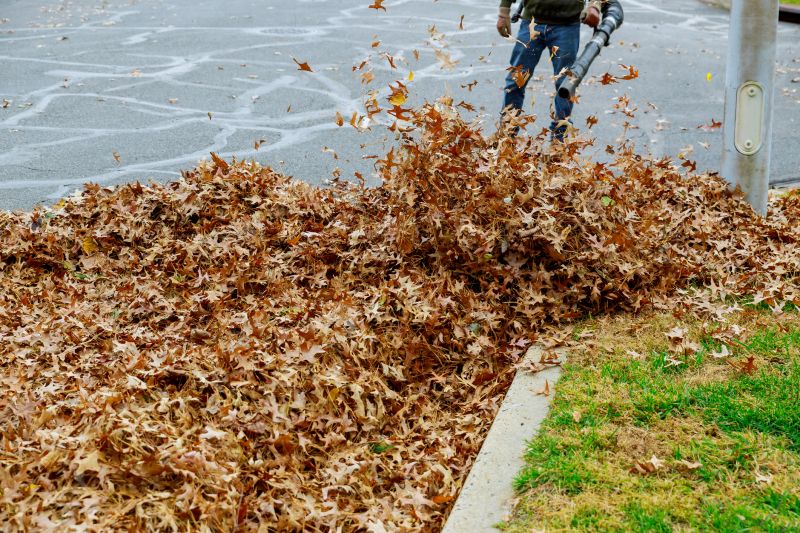
Professional tools ensure efficient and safe debris removal from rooftops.
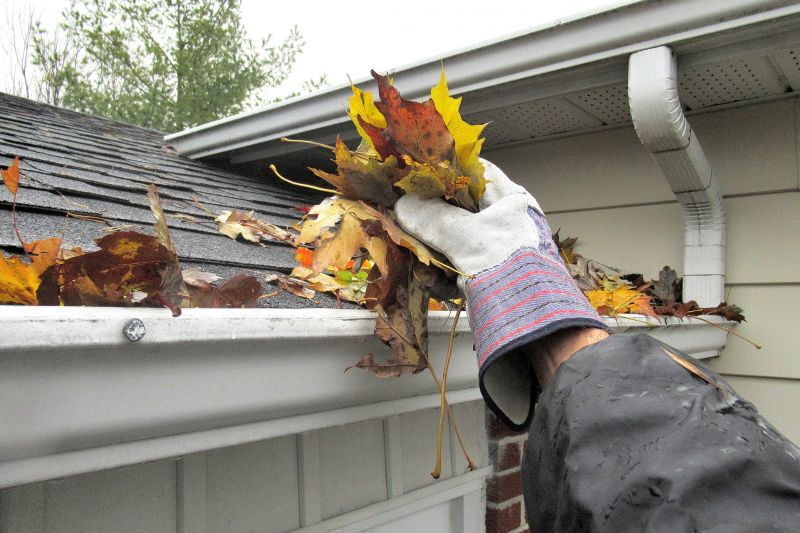
A tidy roof helps prevent clogging and water damage during winter months.
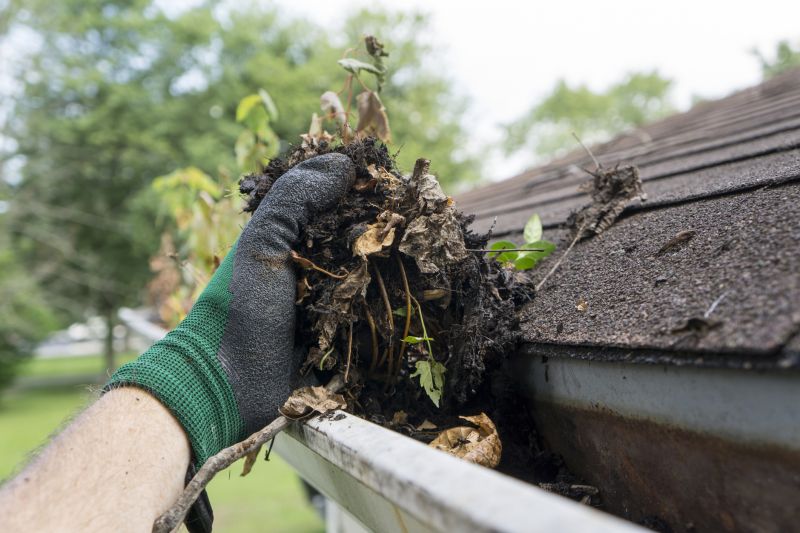
Proper disposal methods keep neighborhoods clean and waterways clear.
As late November and early December approach, many contractors offer discounts and special holiday deals. It is advisable to ask about Black Friday or holiday discounts when scheduling roof maintenance services to take advantage of potential savings.
Interested in getting a quote for roof leaf blowings? Filling out a contact form provides an easy way to request estimates and schedule service at a convenient time.