Optimal Timing for Roof Leaf Blowings
Roof leaf blowings are essential for maintaining roof integrity and preventing damage caused by accumulated debris. The optimal timing depends on seasonal leaf fall patterns, local climate, and specific roofing conditions. Proper scheduling ensures effective removal of leaves, twigs, and other debris, which can otherwise cause blockages, mold growth, and deterioration of roofing materials.
Late autumn is typically the best time for roof leaf blowings, as it coincides with peak leaf fall. However, in areas with prolonged or multiple leaf seasons, additional blowings may be necessary during spring and early summer.
Perform blowings during dry weather to prevent moisture retention and reduce the risk of mold or rot. Windy days can aid in natural debris removal, but excessive wind may blow debris into gutters or onto other parts of the roof.
Certain roofing materials and designs may require more frequent blowings. For example, flat roofs or those with complex structures may trap debris more easily and benefit from scheduled cleanings.
Areas with high tree density or frequent storms may necessitate more regular roof debris removal to prevent damage and maintain roof longevity.

A professional performing roof blowings during peak leaf fall.
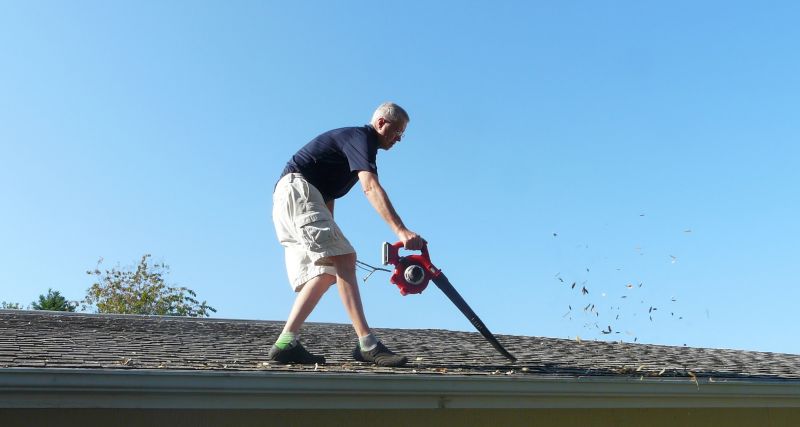
Roof cleaning on a clear, dry day for optimal results.
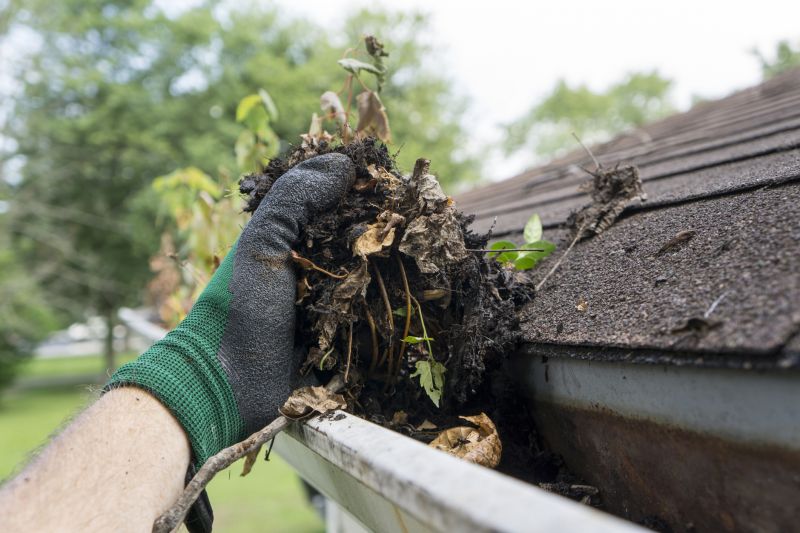
Cleaning debris from intricate roof designs to prevent blockages.
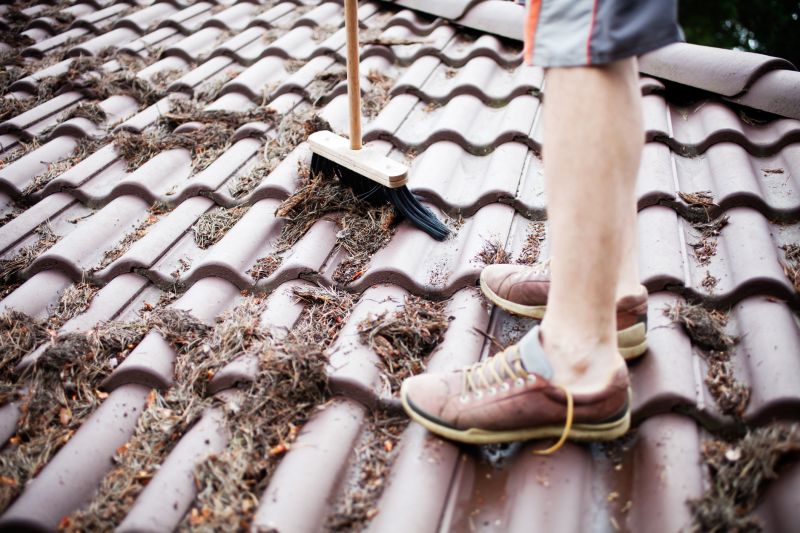
Regular roof blowings in areas with abundant trees to prevent buildup.
| Season or Condition | Recommended Timing |
|---|---|
| Autumn | Peak leaf fall, typically late autumn |
| Spring | After spring blooms and early leaf growth |
| Stormy periods | Post-storm debris removal |
| High tree density | Regular throughout the year as needed |
| Flat or complex roofs | Quarterly or more frequently |
Roof leaf blowings are a crucial part of roof maintenance that helps preserve the structural integrity and appearance of a building. Regular removal of leaves and debris prevents clogging of gutters and downspouts, reduces the risk of mold and moss growth, and minimizes the weight load on the roof. Proper timing ensures debris is cleared before it causes significant damage, extending the lifespan of roofing materials and avoiding costly repairs.
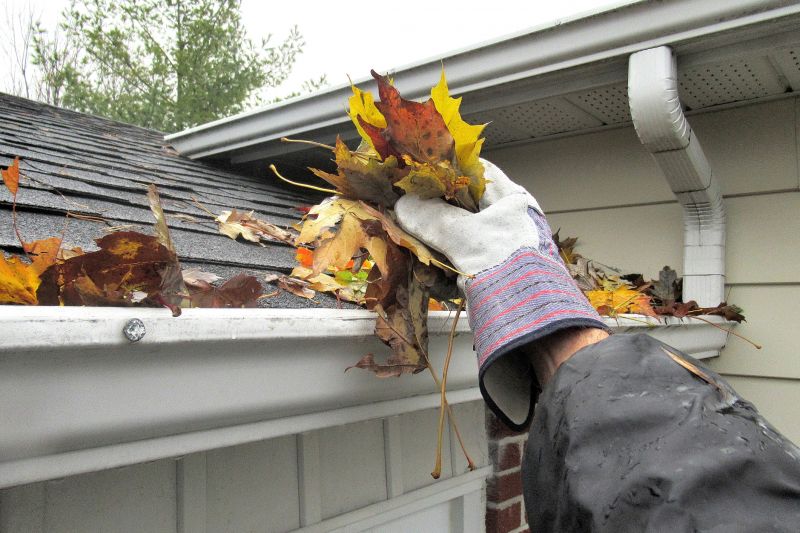
A technician clearing leaves from a sloped roof.
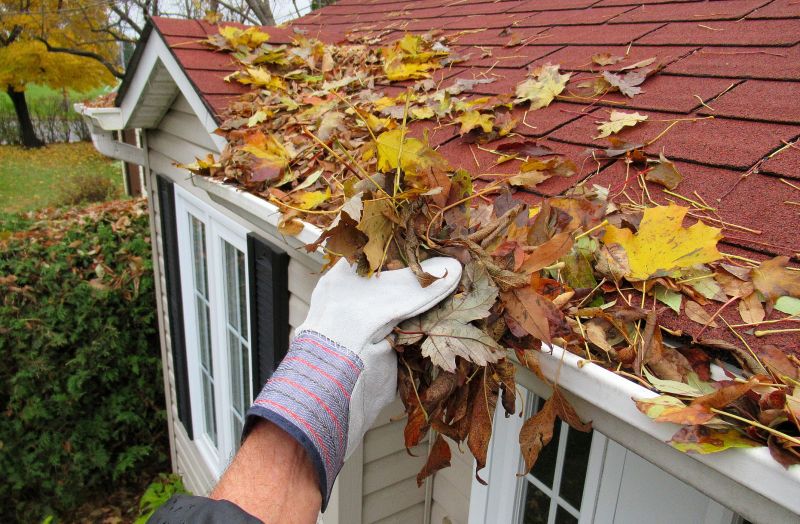
Removing accumulated debris after winter.
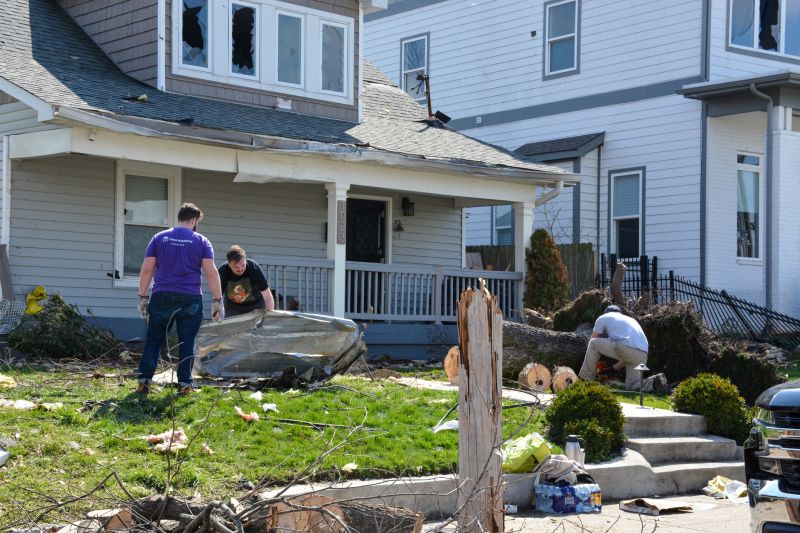
Pre-storm roof debris removal to prevent damage.
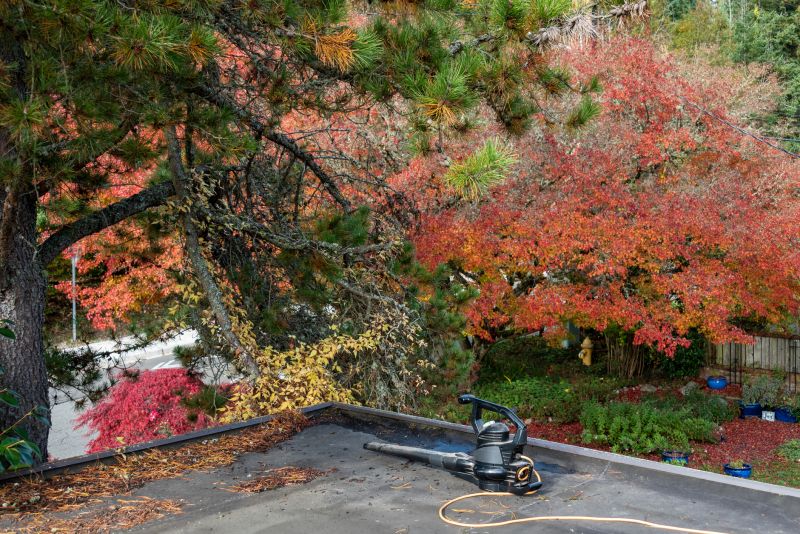
Frequent roof blowings in densely treed neighborhoods.
Interested in scheduling roof leaf blowings? Filling out the contact form provides a convenient way to arrange professional services tailored to specific roof types and local conditions. Regular maintenance helps ensure the longevity and safety of roofing systems, preventing issues before they develop.